Best Best Pressure Cookers: Top Picks, Buying Guide, and Expert Reviews
Pressure cookers speed up cooking by raising the boiling point of water and trapping steam to cook food under high pressure, making them ideal for beans, stews, braises, and one-pot meals. They can save hours compared with stovetop simmering and often concentrate flavors while tenderizing tough cuts of meat. Many models now combine electric timer functions and safety features that broaden their use beyond traditional stove-top pots.
Buyers should focus on capacity, material and heat source compatibility, safety features, and ease of cleaning—these factors determine whether a cooker fits a household’s menu, stove, and lifestyle. Capacity determines how much food can be cooked at once, while reliable pressure-release and locking mechanisms are essential for safe everyday use. This guide tested and compared models to find the pressure cookers that balance speed, safety, and consistent results, leading into the best-of list and a practical buying guide.
Best Pressure Cookers
Below is a curated list of the best pressure cookers available on Amazon, selected for build quality, safety features, and user reviews. It helps shoppers compare electric and stovetop models to find the right capacity and cooking style for their needs.
Ninja HyperHeat 6.5-Qt Multi Cooker

It’s worth buying for someone who wants a fast, versatile all-in-one cooker that sears, pressure cooks, and serves with minimal cleanup.
Pros
- Speeds up cooking and builds pressure quickly.
- Large, removable pot that goes straight to the table.
- Ceramic nonstick is PFAS-free and easy to wipe clean.
Cons
- Heavier than basic cookers, so it feels substantial on the counter.
- Some accessories, like a basic rack, may cost extra.
- Multiple functions add a learning curve for first-time users.
They designed the HyperHeat to replace several appliances, and it performs like an enthusiastic multitasker. It sears a good crust on meats right in the wide pot, then pressure-cooks them tender without needing a second pan. Using the SimpliServe pot to carry a finished roast to the table made cleanup noticeably simpler during a weeknight dinner.
The HyperHeat feature consistently reached pressure faster than older electric cookers the reviewer used, trimming active cooking time. Rice and grains cooked quickly and evenly, and the sous vide and yogurt functions worked reliably for delicate tasks. Controls felt intuitive after a couple of cooks, though reading the quick start guide helped avoid missteps.
On the downside, the unit’s weight and footprint demand counter space and a steady spot for storage. The removable pot cleaned easily in the dishwasher, but small add-ons like a trivet weren’t included and required separate purchases. Overall, it feels built to last and suits families or home cooks who want one machine to handle many methods without constant pot juggling.
Midea 8‑Qt Multi‑Cooker

It’s a solid buy for families who want one appliance that reliably pressure cooks, steams, sautés, and slow cooks with minimal fuss.
Pros
- Large 8‑quart capacity handles full meals for a family.
- Stainless steel inner pot heats evenly and cleans up well.
- Plenty of presets make everyday cooking simple.
Cons
- Control labels and manual are English‑only, which may confuse some users.
- Bulkier footprint takes more counter or storage space.
- Learning curve for multi‑step functions like yogurt and sauté.
They used this cooker for a week of dinners and found the 12 presets genuinely useful. Browned a pork shoulder on the sauté setting, then sealed and pressure‑cooked it to fork‑tender in about an hour — the stainless pot browned evenly and cleaned up without scrubbing.
Meal prep felt faster than traditional methods, and the steam release behaved predictably thanks to the safety system. The large capacity made batch soups and beans easy; one pot fed dinner plus leftovers for lunches without crowding the kitchen.
A few practical annoyances showed up. The housing is substantial, so it needs a permanent spot or deeper cabinet. Also, the control panel and booklet being only in English required a bit of trial and error for non‑English speakers.
Overall, it performed like a dependable all‑in‑one cooker for everyday home use and family meals, especially when speed and versatility matter most.
Instant Pot Duo Mini (3-Quart)
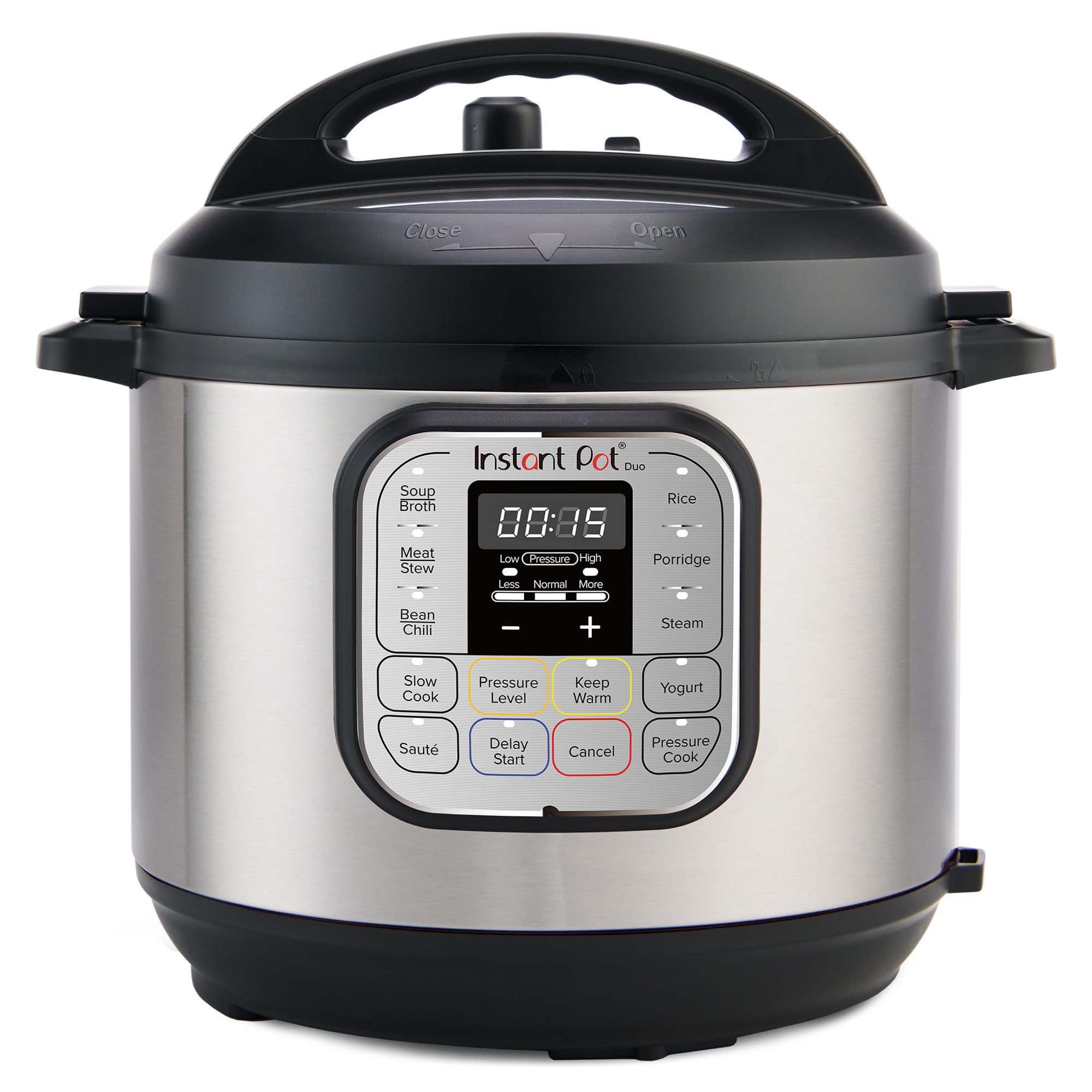
This compact 3-quart Instant Pot is a smart buy for solo cooks or small households who want fast, versatile meals without taking up much counter space.
Pros
- Small footprint with versatile one-touch programs.
- Stainless-steel inner pot sears well and cleans up easily.
- Heats and cooks much faster than traditional methods.
Cons
- Limited capacity for full-family meals.
- Learning curve for pressure settings and timings.
- Not compatible with smart-home apps or voice control.
They built the Duo Mini to feel like a full-size Instant Pot in a smaller package; it fit easily on a crowded RV counter during testing and handled weeknight stews and rice without fuss. The sauté function browned aromatics quickly, then pressure cooking finished meals in a fraction of the time expected from a slow cooker.
Cleaning became noticeably easier after a few uses because the stainless inner pot and lid go in the dishwasher. The unit’s weight and compact size also make it simple to store in a cabinet between uses.
Pressure releases can be noisy and the 3-quart bowl fills up fast if someone wants to batch-cook, so plan portions accordingly. After several meals, the safety features felt reassuring and the straightforward controls reduced mistakes once familiar with the buttons.
Buy it if the user needs a reliable small multi-cooker that saves time and counter space; skip it if they routinely cook for larger families or want smart-home integration.
Instant Pot Duo Plus (6‑Qt)
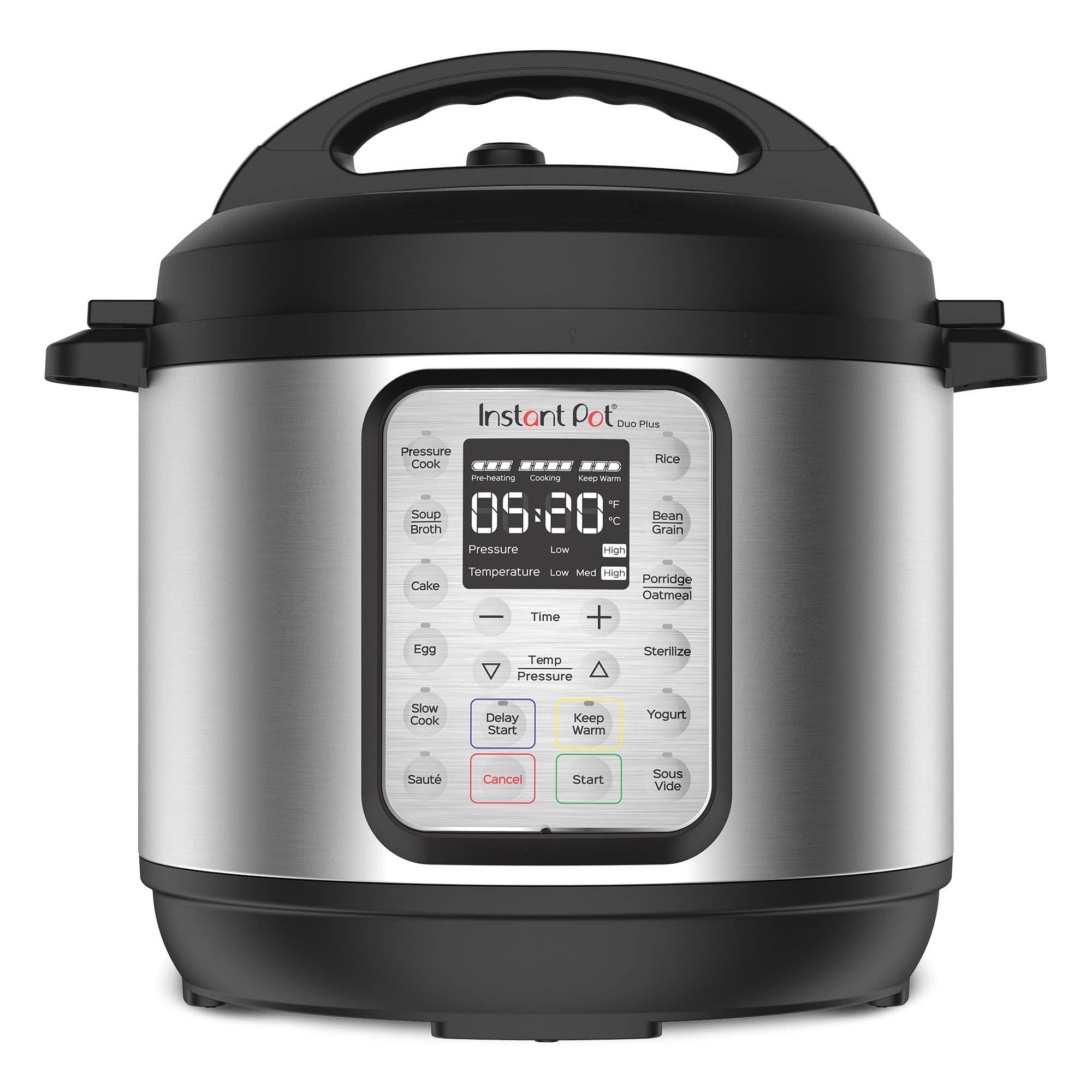
It earns a recommendation for home cooks who want fast, reliable multi‑function cooking without a steep learning curve.
Pros
- Very versatile — replaces several appliances in one unit.
- Stainless inner pot sears well and cleans easily.
- Clear display and preset programs simplify everyday cooking.
Cons
- Learning steam-release timing takes a few uses.
- Unit is bulky to store in small kitchens.
- Some preset textures require small manual adjustments.
They designed the Instant Pot Duo Plus to feel familiar the first time it’s used. It handled a weeknight stew and a batch of yogurt with predictable, even results, and the sauté function actually browns meat before pressure cooking.
The control panel provided real-time feedback on pressure and countdown, which made monitoring simple while multitasking. Detaching the cord and tossing the inner pot in the dishwasher sped cleanup after dinner.
Steam release felt safe once practiced, though the first few releases required caution to avoid a hurry-up moment. The 6‑quart size fits most family meals but can be large if counter and cabinet space are tight.
Overall, it performed like a compact countertop workhorse — fast, consistent, and built with practical features that support everyday meal prep.
Chef iQ Smart Cooker

It’s a strong buy for cooks who want an app-driven multicooker with a built-in scale and guided recipes that simplify meal prep.
Pros
- Built-in scale removes guesswork and cuts prep time.
- Guided Cooking sends precise settings from phone to cooker.
- Auto pressure release adds safety and convenience.
Cons
- Wi‑Fi/app features can be flaky or require troubleshooting.
- More electronics than a basic cooker—repair costs may be higher.
- Learning curve to trust the guided presets over personal tweaks.
This cooker felt like having a patient sous-chef on the counter. The scale saved measuring cups and made one-pot recipes nearly foolproof the first few times it was used.
They relied on the app’s video-guided recipes for several weeknight meals and appreciated sending exact cook parameters to the machine. It consistently hit the textures promised by the presets, especially with grains and braises.
Setup required pairing with Wi‑Fi and the app, and occasional re-syncing showed up during use. The auto pressure release worked quietly and safely, which reduced the usual stress around releasing steam manually.
Overall, it suits someone who values tech features and guided learning over a purely manual pressure cooker; expect smarter convenience but plan for occasional software hiccups and the possibility of electronic failures down the line.
Buying Guide
They should start by deciding which capacity fits their household. Smaller 3–6 quart models suit singles and couples; 6–8 quart works for families. Larger sizes add versatility but require more storage space.
They must check construction and materials. Look for durable, thick stainless steel or heavy-gauge aluminum with a reliable sealing gasket. Inspect handles and lid design for safe, easy lifting.
They should evaluate pressure settings and controls. Manual valves offer precise control for experienced cooks. Electric models with presets provide convenience and consistent results for novices.
They need to confirm safety features. Essential elements include a secure locking lid, pressure-release mechanisms, and an indicator that shows when pressure is present. Multiple redundant safeguards reduce risk during use.
They ought to compare cooking performance and versatility. Consider whether the cooker will handle braising, steaming, and rice as well as pressure cooking. Faster heat-up and consistent pressure improve results.
They should assess ease of cleaning and maintenance. Removable, dishwasher-safe components and a simple gasket removal help keep the unit hygienic. Check how easy it is to access and clean the pressure valve.
They must factor in warranty and customer support. A clear warranty and accessible support channels give confidence. Verify terms and typical service response before purchase.
Key features to prioritize:
- Capacity: match household needs
- Construction: durable materials, sturdy handles
- Controls: manual vs. electric presets
- Safety: locking lid, release valve, pressure indicator
- Cleaning: dishwasher-safe parts, removable gasket
- Support: warranty length, service availability
Frequently Asked Questions
The answers cover key selection criteria, brand reliability, safety systems, size guidance, and differences between electric, stovetop, and multi-cookers. Readers will find concrete features, trusted brands, and practical sizing guidance.
What features should I look for when choosing a pressure cooker?
Look for a precise pressure regulator with at least two pressure settings (high and low) for versatile cooking. A tight-sealing lid with an easy-lock mechanism and a visible pressure indicator improves usability and reduces steam loss.
Stainless steel inner pots resist corrosion and avoid metallic taste; choose 18/10 stainless or tri-ply bases for even heating. Removable sealing rings and dishwasher-safe parts simplify cleaning and maintenance.
Consider programmable presets and a timer if using an electric model for set-and-forget cooking. For stovetop cookers, verify compatibility with induction, gas, and electric ranges.
Which pressure cooker brands are considered the most reliable and durable?
Fissler and WMF rank high for European-made stainless-steel stovetop models known for longevity and precise construction. Kuhn Rikon also earns strong reviews for durable valves and secure lids.
Instant Pot dominates the electric multi-cooker category for feature set, firmware updates, and widespread parts availability. All-Clad and Breville offer premium electric and stovetop options with robust warranties.
Local service networks and available replacement parts matter; brands with wide service coverage reduce downtime and extend usable life.
Is an electric pressure cooker or a stovetop pressure cooker better for most home cooks?
Electric pressure cookers suit cooks who want automated programs, delayed start, and precise temperature control without monitoring. They simplify rice, beans, yogurt, and one-pot meals but often use nonstick inserts that wear over time.
Stovetop pressure cookers reach higher pressures faster and give experienced cooks more manual control over pressure and release. They typically last longer, heat more evenly on high-quality bases, and avoid electronic failures.
Choice depends on cooking habits: frequent hands-off convenience favors electric units; frequent high-heat searing and long-term durability favor stovetop models.
What safety features are most important in a modern pressure cooker?
A visible pressure indicator that prevents opening under pressure is essential. Multiple redundant lid-locking mechanisms and a secondary pressure relief valve protect against overpressure.
Automatic pressure release and controlled steam-release handles reduce scald risk during depressurization. Safety-tested gasket-release channels and heat-resistant handles further reduce accidental burns.
Electric models should include thermal cutoffs and overpressure sensors; stovetop models should have robust spring or weighted regulators that vent reliably.
How do multi-cookers with pressure cooking compare to dedicated pressure cookers?
Multi-cookers combine pressure cooking with slow cook, sauté, rice, and yogurt functions, offering versatility for small kitchens. They trade some performance: many reach lower maximum pressure and slower heat-up than dedicated stovetop units.
Dedicated pressure cookers, especially stovetop, deliver faster cook times and higher sustained pressure for beans and tougher cuts of meat. They often offer simpler, more durable mechanics and faster recoveries between pressure cycles.
For cooks who value a single appliance that handles many tasks, multi-cookers provide convenience. For those who prioritize speed, high pressure, and long-term durability, a dedicated stovetop model performs better.
How do I choose the right pressure cooker size for my household?
For one to two people, a 3–4 quart (2.8–3.8 L) cooker handles grains, soups, and small roasts without excess. A family of three to four typically needs a 6-quart (5.7 L) model for whole chickens and larger stews.
Households of five or more should consider 8–10 quart (7.6–9.5 L) cookers for big batches and canning. Also weigh storage space, frequency of batch cooking, and recipe scaling when selecting size.