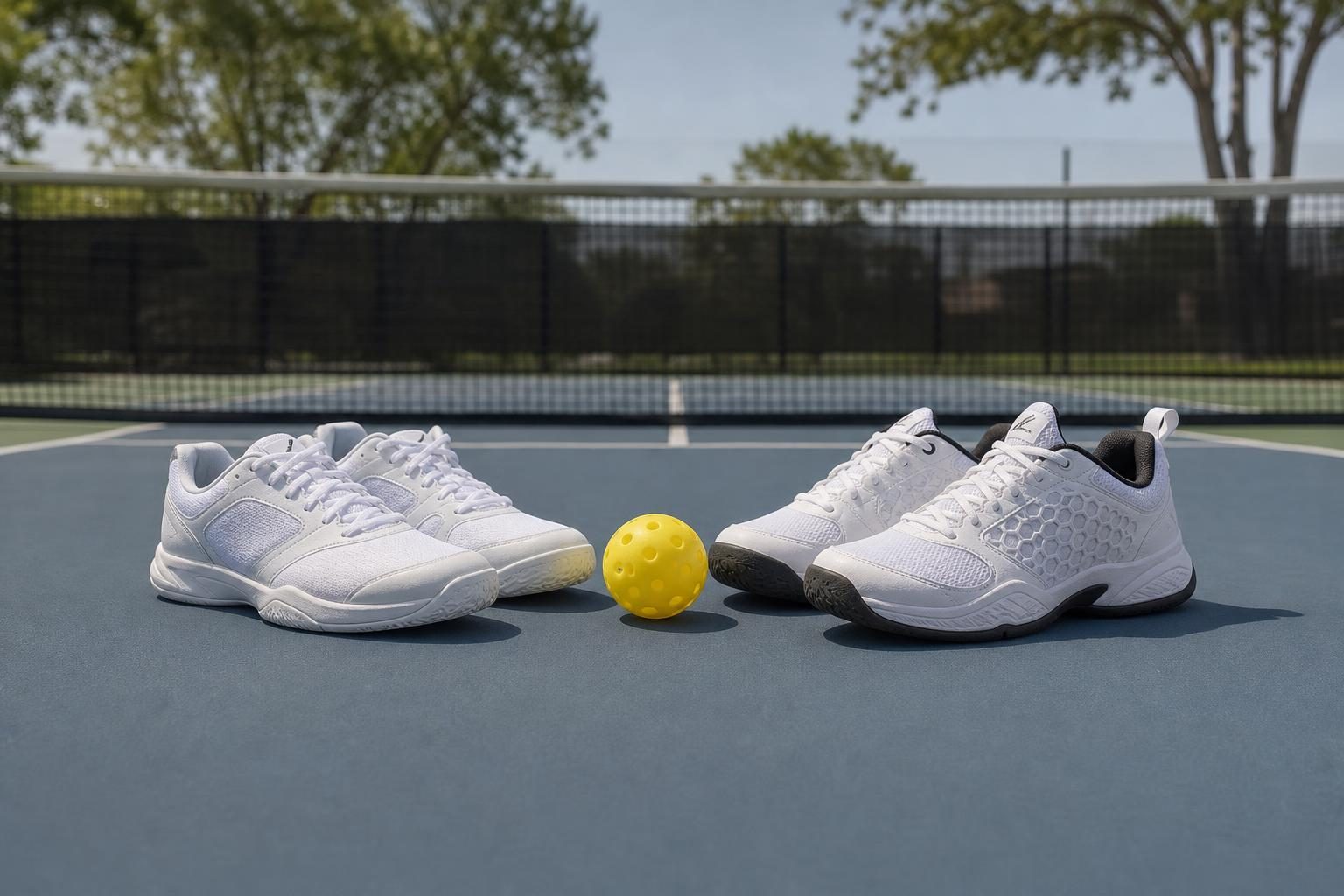
Tennis Shoes vs Pickleball Shoes: Do You Need a Different Pair?
This article contains affiliate links. If you buy through them, we may earn a commission at no extra cost to you.
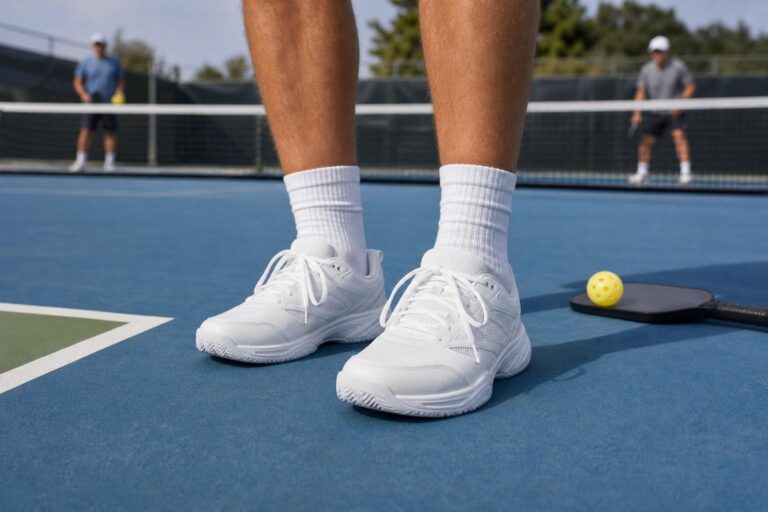
If you already own tennis shoes, you may not need a different pair to start playing pickleball. Both sports demand lateral support, dependable traction, and a stable platform for quick changes of direction. When comparing tennis shoes vs pickleball shoes, the most important question is not what the label says—it is whether the shoe suits your court, fits well, and supports the way you move.
This article is part of our guide: How to Choose Pickleball Shoes for Indoor and Outdoor Courts
Pickleball-specific shoes can be a worthwhile purchase, especially if your current footwear is worn out or poorly matched to your playing surface. But a well-fitting pair of tennis shoes is often a practical choice, too. Here is how to decide.
Tennis Shoes vs Pickleball Shoes: Key Differences
For this comparison, “tennis shoes” means shoes designed for playing tennis—not casual sneakers that happen to go by that name. Genuine tennis shoes and pickleball shoes share many features, and the differences between individual models can be greater than the differences between the two categories.
| Feature | Tennis Shoes | Pickleball Shoes |
|---|---|---|
| Movement support | Designed for lateral movement, braking, and repeated court coverage. | Designed for court movement, often marketed around short lateral steps and quick transitions. |
| Traction | Outsole designs vary for hard courts, clay, and other tennis surfaces. | Available for outdoor courts and indoor play; check the intended surface. |
| Stability | Many models have substantial side support and a secure platform. | Many models emphasize lateral support, but construction varies. |
| Cushioning | Ranges from lighter, lower-profile designs to more cushioned options. | Also varies widely; the pickleball label does not guarantee extra cushioning. |
| Durability | Hard-court models commonly include abrasion-resistant outsoles and reinforced wear areas. | Outdoor models may offer similar reinforcement; indoor designs may use different outsole compounds. |
| Best reason to choose | You already have a suitable pair, or a tennis model offers the best fit and support. | A pickleball model fits better or is better suited to your specific court and preferences. |
Option One: Wearing Tennis Shoes for Pickleball
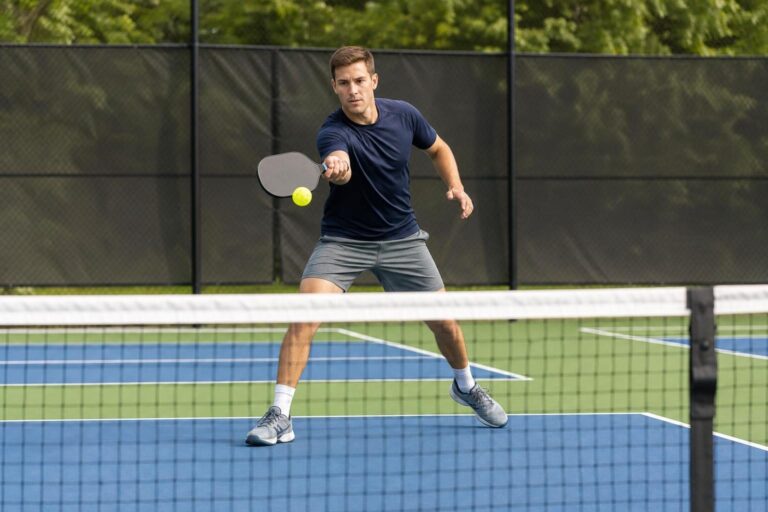
Proper tennis shoes are generally suitable for pickleball when they match the playing surface and fit securely. Tennis involves many of the same footwear demands: side-to-side movement, sudden stops, forward acceleration, and recovery steps.
That overlap makes tennis shoes a sensible starting point. You do not need to replace a good pair simply because you have switched sports.
Where Tennis Shoes Work Well
- Lateral support: Court-focused construction helps keep your foot supported when you push off or change direction.
- Outdoor durability: Hard-court tennis shoes are designed to handle abrasive court surfaces.
- Choice of fit: The category includes different widths, cushioning levels, and support structures.
- Playing both sports: One suitable pair can serve both activities if the courts have compatible surfaces.
If you play outdoor pickleball on a typical acrylic hard court, a hard-court tennis shoe is often a good match. Check that its outsole still has usable tread and that your heel and midfoot stay secure during movement.
Potential Drawbacks
Some tennis shoes feel substantial or stiff, particularly models built around durability and support. Other players appreciate that secure feel. Weight and flexibility are model-specific, so avoid assuming all tennis shoes will feel heavy.
Surface specialization also matters. A clay-court tennis shoe is designed with different traction needs in mind than a hard-court shoe. It is not automatically the best choice for an outdoor pickleball court or an indoor gym floor.
Finally, an old pair may look serviceable while no longer feeling supportive. If the shoe leans unevenly, the tread has worn smooth, or your foot slides inside it, replacing it matters more than choosing one sport label over another.
Option Two: Wearing Pickleball Shoes
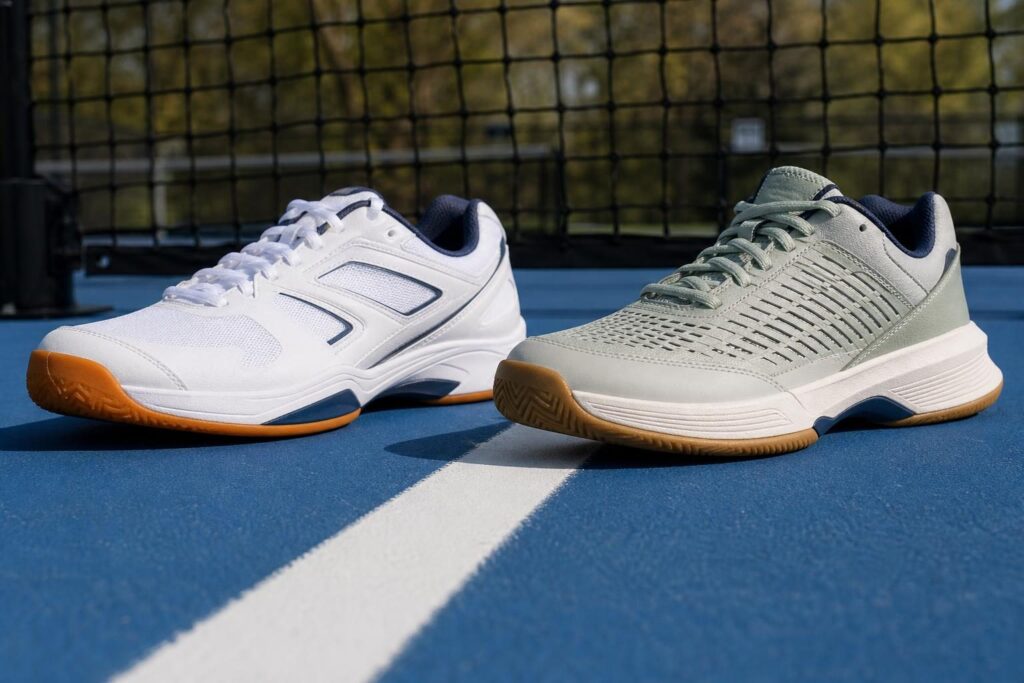
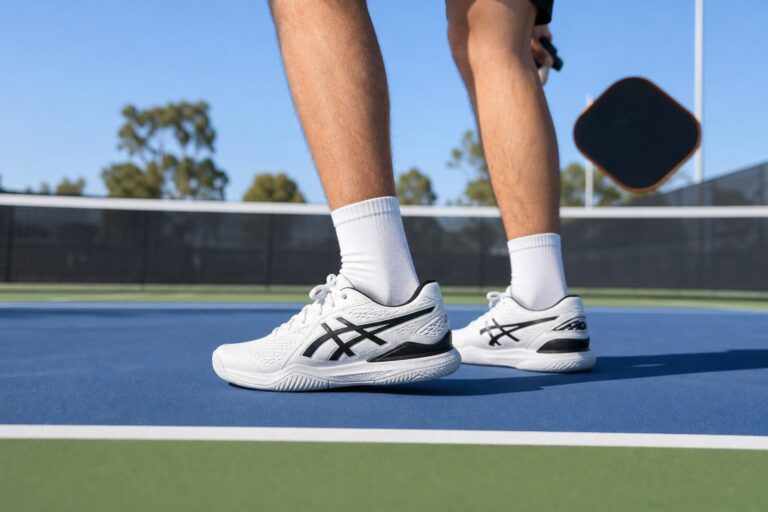
Pickleball shoes are designed and marketed for pickleball movement. Depending on the model, they may combine a supportive upper, lateral reinforcement, court-specific traction, and cushioning intended for repeated stops and starts.
Those are useful features, but they are not exclusive to pickleball footwear. A pickleball shoe is not automatically more stable, lighter, or more comfortable than a tennis shoe. Compare the actual construction and fit.
Where Pickleball Shoes Work Well
- Replacing unsuitable footwear: They offer a court-focused alternative to running shoes or casual sneakers.
- Finding a better fit: A particular model may give your toes more room or hold your heel more securely than your current pair.
- Matching your court: Models intended for indoor or outdoor play can help narrow your search.
- Keeping a dedicated pair: Reserving shoes for pickleball makes it easier to monitor wear and keep indoor outsoles clean.
A dedicated pair can be especially convenient if your other athletic shoes are used for walking, gym workouts, or outdoor errands. Still, dedicating tennis shoes to pickleball can accomplish the same thing.
Potential Drawbacks
The biggest risk is buying by label rather than suitability. A pickleball-branded shoe can still be too narrow, too loose through the heel, or poorly suited to your court surface.
Do not assume that every pickleball shoe works equally well indoors and outdoors. Read the intended-use description and check any facility rules. Indoor courts may require non-marking soles, while abrasive outdoor courts call for appropriate outsole durability.
What Matters More Than the Sport Label?
Your Playing Surface
Start with the court you use most. Outdoor hard courts generally call for durable court-shoe outsoles. Indoor wood or synthetic gym floors require suitable traction, and facilities often specify non-marking footwear.
Indoor court shoes may wear faster on rough outdoor surfaces. Outdoor shoes can also carry grit onto indoor floors, so clean them thoroughly or keep separate pairs if you regularly switch venues.
Fit During Lateral Movement
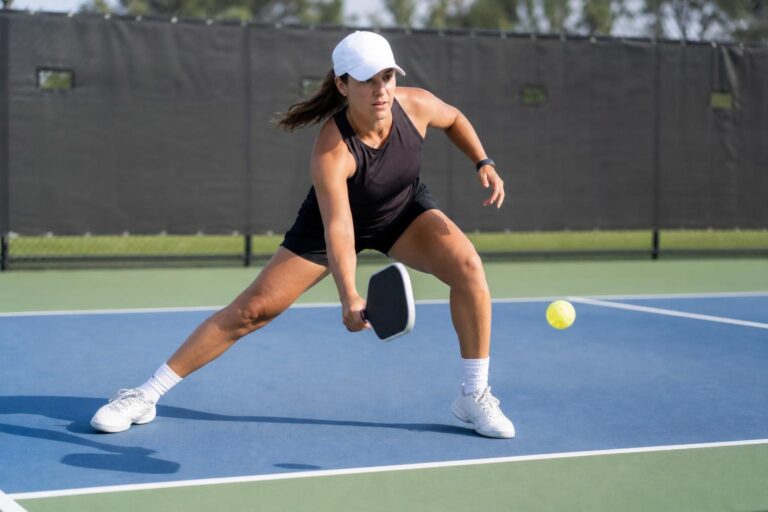
A shoe should feel secure without squeezing your foot. Your toes need space, your heel should not lift excessively, and your foot should not slide over the side of the shoe when you move laterally.
- Try shoes with the socks you normally wear for pickleball.
- Check both feet, since they may differ slightly in size.
- Walk, stop, and take gentle side steps where the retailer permits.
- Do not rely on a break-in period to fix pinching or an obviously poor fit.
Support, Cushioning, and Condition
Look for a balance of comfort and stability. A soft step-in feel is pleasant, but cushioning alone does not tell you how well a shoe handles side-to-side movement.
Inspect shoes regularly for uneven outsole wear, damaged uppers, and a loss of secure fit. There is no single replacement schedule that works for everyone; court surface, playing frequency, and movement patterns all affect wear.
Which Should You Choose?
If You Already Own Good Tennis Shoes
Recommendation: Keep using them if they fit well, are in good condition, and suit your pickleball court. There is no need to buy a separate pair solely for the pickleball name. Reassess if you notice slipping, discomfort, or inadequate support.
If You Are a Beginner on a Budget
Recommendation: Shop for a suitable court shoe in either category. Prioritize fit, lateral support, and the correct outsole over branding. If you already have proper tennis shoes, use those before spending money on another pair.
If You Currently Play in Running Shoes
Recommendation: Move to tennis or pickleball court shoes. Running shoes are generally designed primarily for forward movement, and many lack the lateral containment needed for repeated court cuts. You do not have to choose pickleball-specific footwear, but you should choose footwear built for court movement.
If You Play Several Times a Week
Recommendation: Choose the best-fitting court shoe and consider dedicating it to pickleball. Frequent players should pay close attention to outsole durability, comfort during longer sessions, and how securely the shoe holds the foot. Either category can work.
If You Play Both Tennis and Pickleball
Recommendation: Use one pair if it suits both surfaces and remains in good condition. Separate pairs become more useful when you switch between different court types or want to reserve clean footwear for indoor play.
If You Have Persistent Foot or Ankle Pain
Recommendation: Do not expect a different sport label to solve the problem. Seek advice from a qualified healthcare professional about persistent pain, recurring instability, or footwear needs related to an existing condition. No shoe can guarantee injury prevention.
Conclusion
The tennis shoes vs pickleball shoes decision comes down to fit, court surface, support, and condition—not the name on the box. Good tennis shoes can be an excellent choice for pickleball, while pickleball-specific shoes are worth considering when they offer a better fit or a better match for your court. Choose the pair that feels secure and comfortable during court movement, and replace it when wear starts compromising its performance.