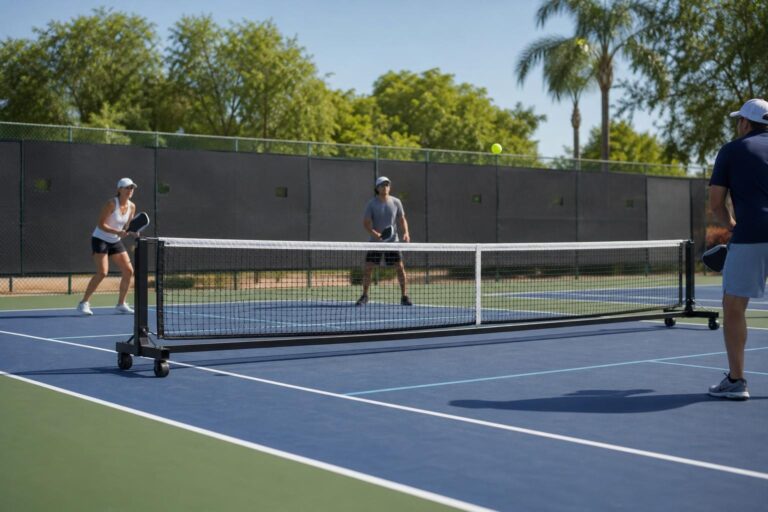
PickleNet Portable Pickleball Net System Review: Is It Easy to Set Up?
This article contains affiliate links. If you buy through them, we may earn a commission at no extra cost to you.
A portable pickleball net should make it easier to play, not turn every session into an assembly project. This PickleNet portable pickleball net system review looks at its setup process, useful features, and everyday compromises. The short answer: its tool-free frame makes setup straightforward, although carrying, assembling, and packing a full-size net still takes some effort.
This article is part of our guide: Portable Pickleball Net Buying Guide: Size, Stability, and Setup
Overview
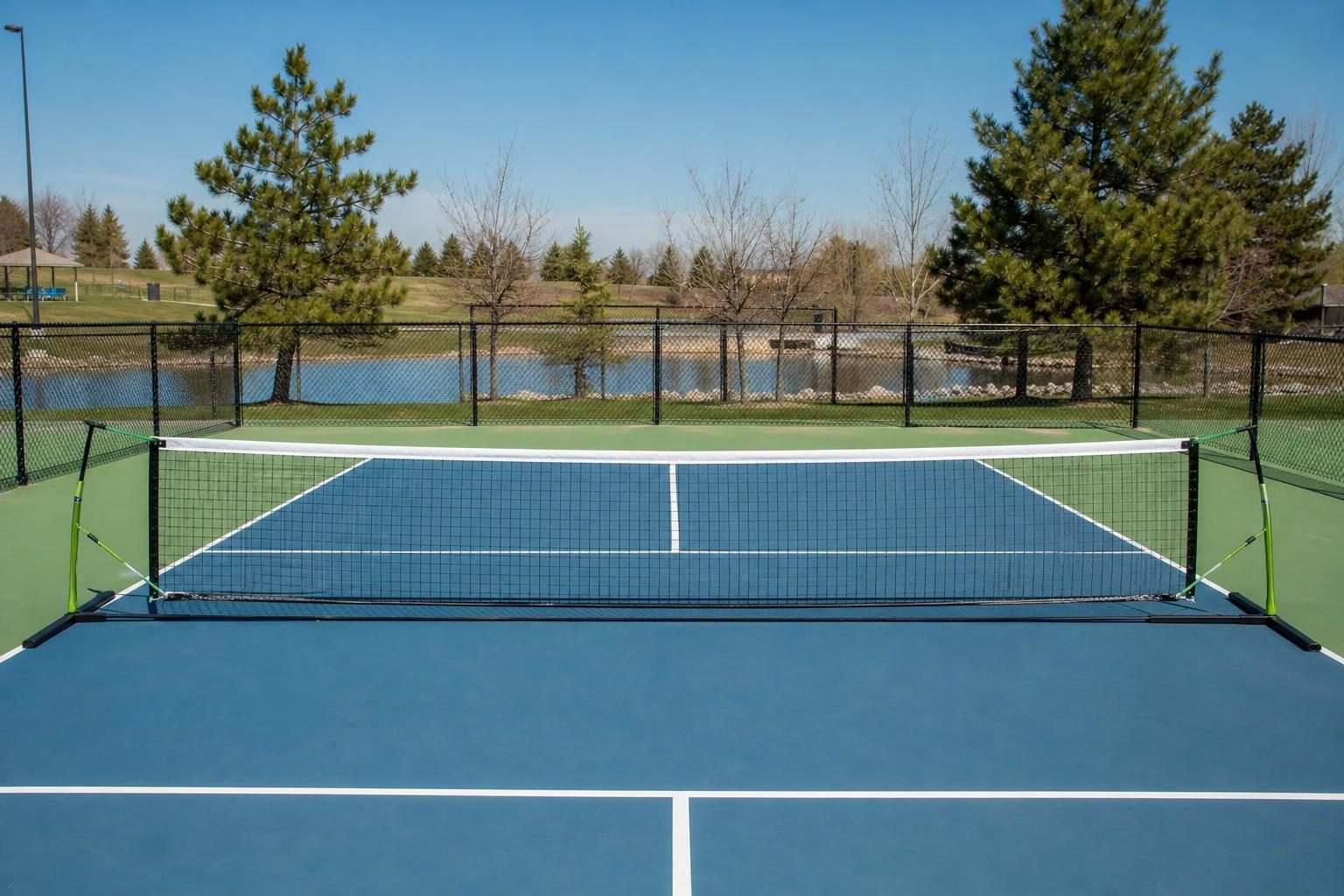
The PickleNet from OnCourt OffCourt is a freestanding portable pickleball net system designed for temporary courts. It uses a sectional metal frame, a regulation-size net, and a center support to create a playing setup without permanent posts.
It is intended for places such as gyms, recreation spaces, and suitable paved surfaces where a court can be marked out temporarily. A carrying bag keeps the disassembled components together for storage and transport.
This is a design-based review, not a hands-on test. The assessment focuses on the system’s published construction features and what they mean for setup and recreational play. Package contents and construction details can change, so check the listing for the version you plan to buy.
Is It Easy to Set Up?
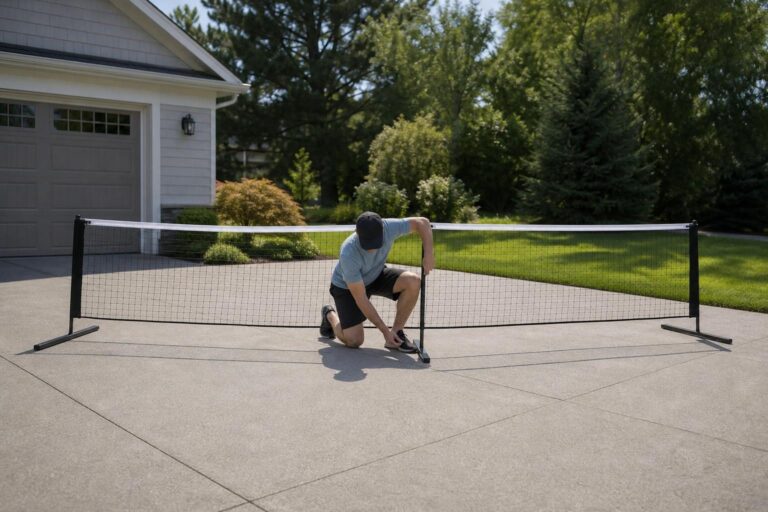
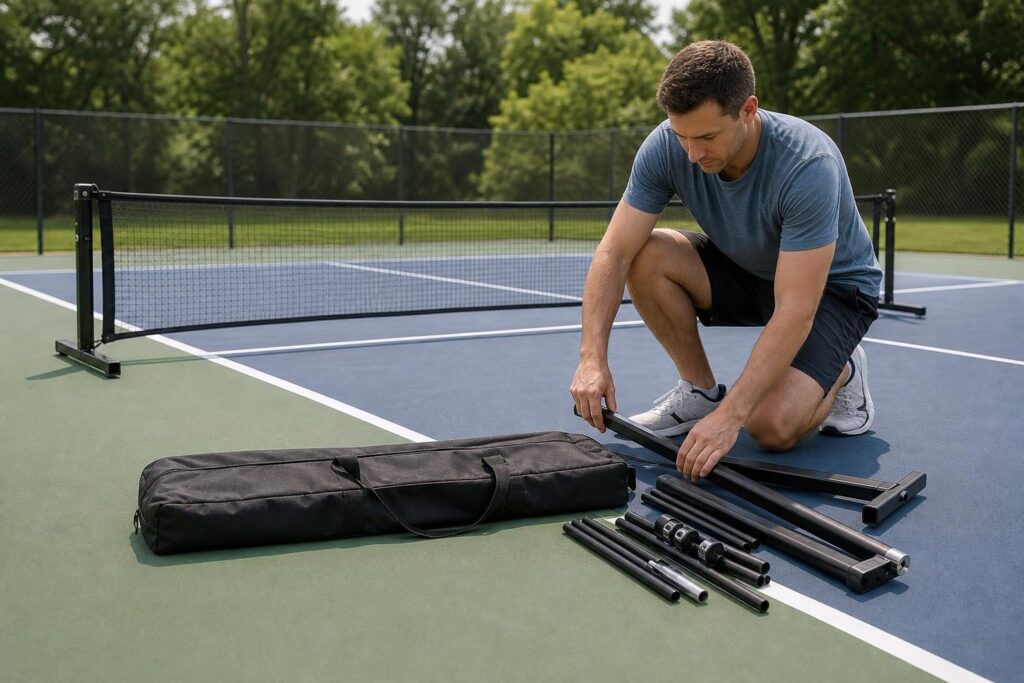
Generally, yes. The PickleNet uses a connecting frame rather than permanent ground anchors, and normal assembly does not require separate tools. The main jobs are arranging the frame sections, connecting them, fitting the net, and adjusting its position and tension.
That makes it approachable for players who regularly set up their own court. However, tool-free does not mean effortless. A first-time user still needs to identify the parts, follow the assembly order, and check the finished net height.
One person can handle the process, while a second person can make laying out the frame and positioning the net less awkward. Familiarity should make repeat setups smoother, but there is no need to rely on a specific assembly-time promise.
Who It Suits
The PickleNet makes the most sense for players who need a full-width net that can be removed after each session.
- Recreational groups: A practical option for players sharing responsibility for equipment.
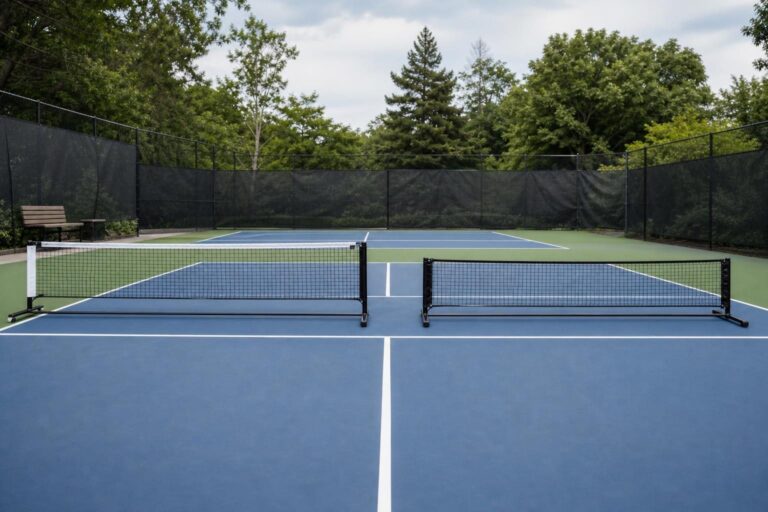
- Community centers and schools: Suitable for multipurpose spaces where permanent pickleball posts are not practical.
- Coaches: Useful for temporary practice courts and organized drills.
- Home players with enough space: Worth considering for a suitable driveway or other level playing area.
It is less appealing if you need something exceptionally light for a long walk from the parking lot. It may also be more net than you need for close-range dinking practice in a small space.
Remember that fitting the net is only part of the space requirement. A standard pickleball court measures 20 by 44 feet, and players need additional clear space around it to move safely.
Key Features
Full-Size Playing Dimensions
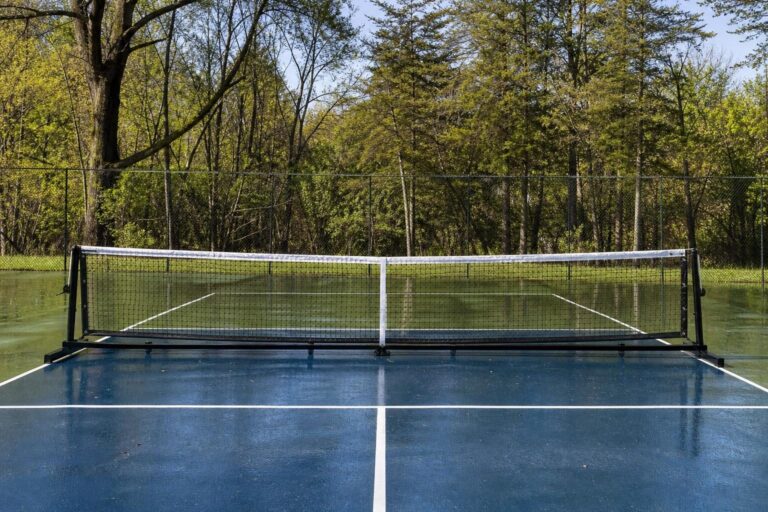
The PickleNet is designed around standard pickleball net dimensions: 22 feet wide, with a playing height of 36 inches at the sidelines and 34 inches at the center.
That matters if you want practice to resemble normal court play. A compact training net can be useful, but it does not reproduce the same full-width target.
After assembly, check the height rather than assuming every part has settled into the correct position. Uneven ground, an incorrectly seated component, or poor tension can affect the result.
Tool-Free Sectional Frame
The frame breaks down into manageable sections that connect for play. The PickleNet’s oval tubing design helps establish the correct orientation of the frame components and limits unwanted rotation at the connections.
This is a meaningful convenience for repeated setup. You are assembling a purpose-built system rather than improvising with separate posts and supports.
The trade-off is the number of loose components. Keeping everything organized in the carrying bag is important, especially when several people help pack away.
Center Support and Net Adjustment
The center support helps establish the lower height required at the middle of a pickleball net. The net’s tensioning arrangement also helps you remove excess slack.
These features are useful, but correct adjustment still matters. Aim for a properly positioned net rather than pulling it as tight as possible. Excessive tension is not a substitute for a correctly assembled frame.
Carrying Bag
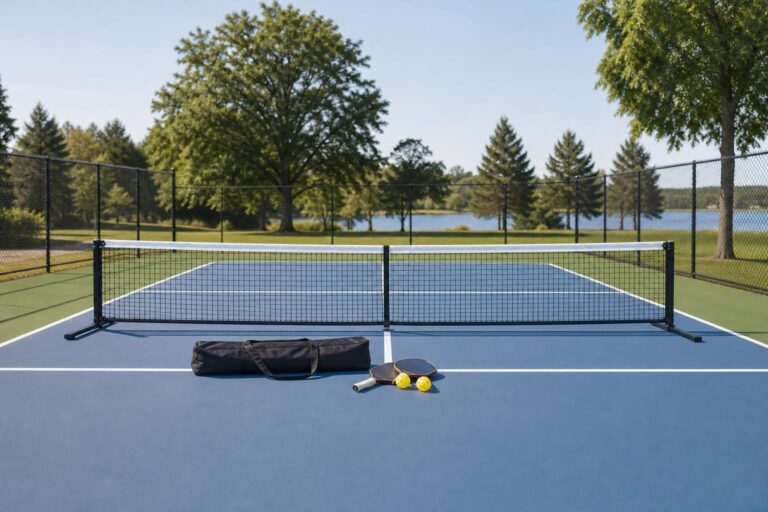
The included carrying bag makes the system easier to store and transport as a single package. That is particularly helpful when the net travels between a storage room, vehicle, and court.
However, a carrying bag does not make a full-size metal-frame system lightweight. Consider the complete packed weight and carrying distance before buying, especially if one person will always transport it.
Indoor and Outdoor Flexibility
The freestanding design allows use in different suitable locations without installing permanent posts. Outdoors, the surface should be reasonably level and free of hazards.
Portable does not mean weatherproof or maintenance-free. Dry the net and frame before storage, avoid leaving the system exposed unnecessarily, and inspect connections and fabric periodically.
Pros
- Straightforward assembly: The connecting frame avoids the need for separate installation tools or permanent anchors.
- Full-size net: Better suited to normal games than a narrow practice-only net.
- Purpose-built frame design: Oval tubing helps keep components oriented correctly.
- Center-height support: Helps establish the required lower net height in the middle.
- Convenient storage: The carrying bag keeps the disassembled system together.
- Flexible placement: Useful for temporary courts in suitable indoor and outdoor spaces.
Cons
- Still a substantial item to carry: The metal frame and full-size net are less convenient for long walks than lightweight practice equipment.
- Multiple parts to manage: Misplaced components can interrupt the next session.
- First setup requires attention: Connecting the frame is only part of the job; net placement and height also need checking.
- Not a permanent-post replacement: A portable frame has different stability and space characteristics from an installed court net.
- Outdoor conditions matter: Wind and uneven surfaces can affect portable systems.
- Needs more than net-width space: A location that accommodates the frame may still be too cramped for safe play.
Alternatives Worth Considering
A Lighter Portable Net
If carrying distance is your biggest concern, compare lighter full-size systems. Look closely at total packed weight, frame construction, replacement-part availability, and how the net maintains its center height.
Lower weight can improve convenience, but it may involve trade-offs in rigidity or outdoor stability. Do not judge portability solely by whether a bag is included.
A Wheeled Portable System
For a gym or recreation facility, a wheeled system may be more convenient than a net that must be dismantled after every session.
The key question is storage access. Wheels are most useful when you can move the assembled net into a nearby storage area without stairs, narrow doors, or difficult thresholds.
A Compact Practice Net
A shorter practice net is worth considering for dinking drills, limited storage, or smaller home spaces. It will generally be easier to move and position than a full-width system.
However, it is not a like-for-like alternative for doubles games. Choose it for targeted practice rather than expecting it to replace a regulation-width net.
A Permanent Net Installation
If the court is dedicated to pickleball and the net rarely needs moving, permanent posts may be the more appropriate solution. They remove recurring assembly work and avoid portable support feet around the net area.
That option requires a suitable site and installation, so it serves a different need from the PickleNet.
Verdict
The PickleNet is a sensible option for players and facilities that need a full-size net without permanent installation. Its tool-free sectional frame, center support, and carrying bag make the setup process approachable.
Is it easy to set up? Yes—with a little organization and a final height check. Its main compromises are carrying bulk, loose components, and the ordinary limitations of a portable frame. If those fit your routine, it deserves a place on your shortlist.